
Why Early Pediatric Intervention Matters for Long-Term Development Outcomes
Why Early Pediatric Intervention Matters for Long-Term Development Outcomes When it comes to a child’s development, timing matters more than most parents realize. The early
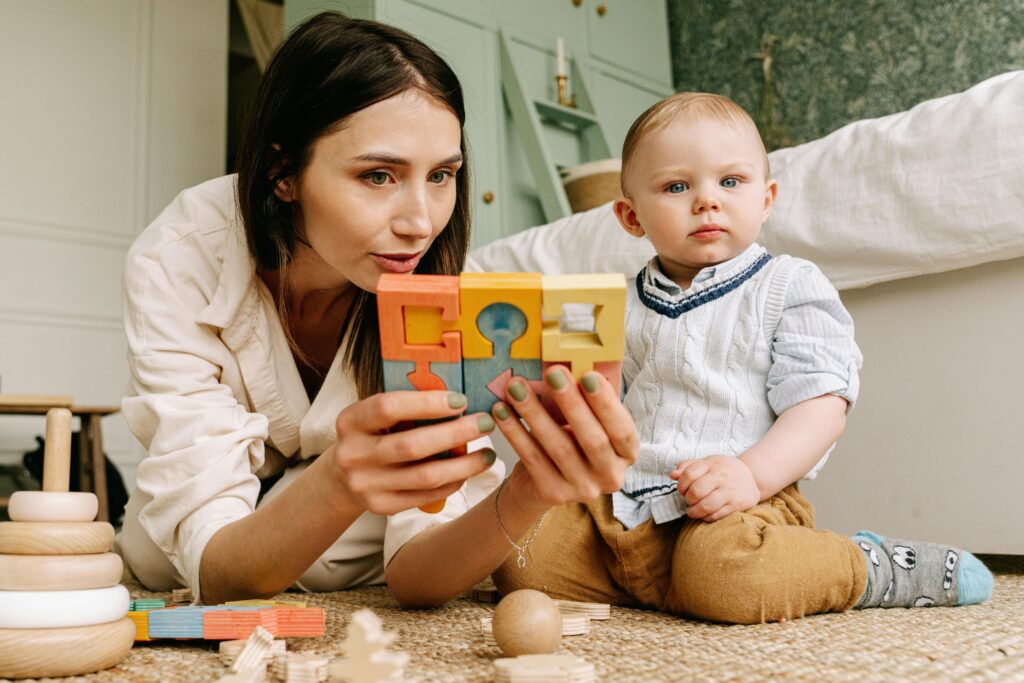
Many parents are surprised to learn that “occupation” in occupational therapy does not refer to a job. Instead, it refers to the everyday activities that children need to grow, learn, and participate in daily life. These include playing, eating, dressing, writing, and engaging with others.
When a child struggles with these daily activities, it can impact their independence, confidence, and ability to participate in home, school, and social environments. Occupational Therapy (OT) is designed to help children develop the skills they need to perform these tasks successfully.
For families, OT can be a powerful support system that transforms daily challenges into meaningful progress. Through structured, play-based interventions, occupational therapists help children build independence in practical, functional ways.
This article explores how occupational therapy improves daily living skills and why early support can make a lasting difference in a child’s development.
Occupational therapy is a pediatric service that focuses on helping children develop the skills needed for everyday life.
These skills may include:
The goal of OT is not just skill development, but increased independence and confidence in daily routines.
Occupational therapists evaluate each child individually and design personalized therapy plans based on their strengths and challenges.
Daily living skills are essential for a child’s independence and long-term development.
These skills allow children to:
When children struggle with these tasks, they may rely heavily on caregivers or feel frustrated during everyday routines.
Improving daily living skills helps children become more independent and reduces stress for families.
Occupational therapy focuses on several important areas of development.
Self-care involves activities children do to take care of their own basic needs.
OT may help children with:
These skills are foundational for independence at home and school.
Fine motor skills involve small movements using the hands and fingers.
Children may work on:
These skills are essential for academic tasks like writing and classroom participation.
Visual-motor skills involve coordinating what the eyes see with what the hands do.
Examples include:
Challenges in this area can affect school performance and play activities.
Some children experience difficulty processing sensory information from their environment.
They may be:
Occupational therapists help children develop strategies to regulate sensory input and respond appropriately to their environment.
Play is an important part of childhood development.
OT supports:
Play also helps children develop communication and social skills.
Parents may consider an OT evaluation if they notice:
Early identification can help children receive targeted support before challenges increase.
An OT evaluation is designed to understand a child’s developmental profile.
The therapist may assess:
Parents may also be asked about daily routines, challenges, and goals.
The evaluation results guide the development of a personalized therapy plan.
OT sessions are often playful, engaging, and activity-based.
Therapists use structured activities to teach important skills.
Examples include:
Although activities may look like play, each task is intentionally designed to build developmental skills.
One of the primary goals of OT is to help children become more independent in daily life.
This is achieved by:
As children gain skills, they become more confident and capable in daily activities.
Sensory processing plays a major role in how children interact with the world.
Occupational therapists help children who experience sensory challenges by:
For example, a child overwhelmed by loud environments may learn coping strategies to stay calm and focused.
Parents are essential partners in the OT process.
Therapists often provide:
Children make the most progress when skills are reinforced at home in daily routines.
For example, practicing buttoning a shirt each morning can significantly improve independence over time.
OT is often integrated into school environments to support academic success.
Therapists may help children:
School-based OT ensures that children can apply skills in real-world environments.
Many children benefit from a combination of therapies.
Occupational therapy often works alongside:
This integrated approach ensures that all areas of development are addressed cohesively.
The benefits of OT extend far beyond childhood.
Children who receive occupational therapy may experience:
By building foundational abilities early, OT helps children develop skills that support lifelong success.
Occupational therapy plays a vital role in helping children develop the daily living skills they need to function independently and confidently. From dressing and feeding to handwriting and sensory regulation, OT addresses the practical challenges that impact everyday life.
Through structured, play-based interventions, occupational therapists support children in building essential life skills while also empowering families with tools and strategies to reinforce progress at home.
If a child struggles with self-care, fine motor tasks, sensory processing, or school participation, occupational therapy can provide meaningful support. Early intervention can make a significant difference in helping children build independence and achieve their full potential.
Our specialists are ready to help Tri-State families with a comprehensive ABA evaluation.
Why Early Pediatric Intervention Matters for Long-Term Development Outcomes When it comes to a child’s development, timing matters more than most parents realize. The early
How to Support Your Child’s Development at Home: Practical Strategies for Parents A child’s development does not only happen in therapy sessions or classrooms. Some
Parent’s Guide to Navigating Pediatric Therapy Services When a child is recommended for developmental therapy services, many parents feel unsure about where to start. Terms
How Integrated Pediatric Care Benefits Children and Families When a child needs developmental support, families often find themselves navigating multiple providers, appointments, and treatment plans
Physical Therapy for Children: Building Strength, Balance, and Confidence Children learn about the world through movement. From the first time a baby rolls over to
How Occupational Therapy Improves Daily Living Skills for Children Many parents are surprised to learn that “occupation” in occupational therapy does not refer to a
We provide integrated ABA, speech, OT, and PT services for children across New York, New Jersey, and Connecticut.
Children can begin occupational therapy as early as infancy if developmental concerns are present.
No. OT supports any child experiencing challenges with daily living skills or development.
Progress varies depending on the child’s needs and consistency of therapy.
Yes. OT commonly addresses handwriting, pencil grip, and fine motor coordination.
Yes. Occupational therapists are trained to help children manage sensory processing challenges effectively.